Less Is More: How the Japanese Art of 'Ma' Is Quietly Reshaping American Homes and Closets
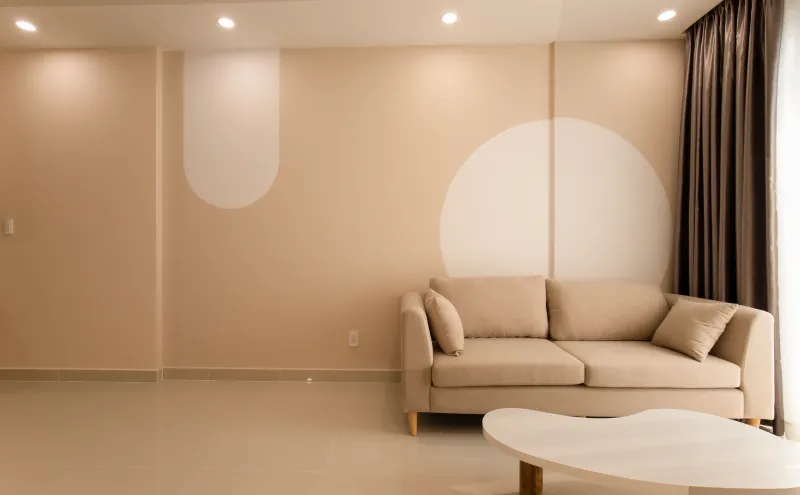
Walk into almost any trendy apartment in Brooklyn, Austin, or Portland these days and you might notice something a little... different. The walls aren't crowded with mismatched art prints. The shelves aren't groaning under the weight of collectibles and tchotchkes. There's a couch, maybe a single ceramic vase, a low wooden coffee table, and a whole lot of breathing room.
This isn't minimalism born out of laziness or a tight budget. It's intentional. It's considered. And more often than not, it's inspired by Japan.
The concept driving this quiet design revolution has a name: ma (間). Pronounced like the first syllable of "mama," ma is a Japanese philosophical idea that describes the meaningful pause between things — the deliberate empty space that gives objects, sounds, and even conversations their weight and significance. It's the silence between musical notes that makes the melody matter. And right now, it's making its way into American living rooms and wardrobes in a big way.
What Exactly Is 'Ma,' and Why Does It Matter?
In Japanese aesthetics, ma isn't just about having less stuff. It's about understanding that emptiness isn't a void — it's an active presence. Architects in Japan have built entire careers around designing spaces where what isn't there is just as important as what is. Think of the raked gravel gardens of Kyoto, where a few carefully placed rocks surrounded by open space communicate more than a garden packed with flowers ever could.
"Americans are starting to realize that a room full of things can actually feel suffocating," says interior designer Mara Levin, who runs a studio in Los Angeles and has spent years studying Japanese spatial philosophy. "Ma teaches us that space itself is a design element. When you leave room for the eye to rest, the pieces you do choose to display become genuinely meaningful instead of just... noise."
This idea connects directly to the broader "quiet luxury" trend that's been gaining momentum across social media — the aesthetic shift away from loud logos, maximalist layering, and the relentless accumulation of stuff toward understated quality, neutral palettes, and fewer but better things.
Gen Z and Millennials Are Leading the Shift
It's not a coincidence that the generations most drawn to Japanese minimalism are also the ones who grew up drowning in digital overstimulation. For millennials who spent their formative years curating Pinterest boards packed with bohemian decor and maximalist "more is more" styling, and for Gen Z who have been algorithmically bombarded since middle school, the appeal of stillness is almost visceral.
"I think we're exhausted," says lifestyle blogger and content creator Jade Moreno, based in Chicago. "We've been told our whole lives to want more, buy more, show more. Japanese minimalism — and specifically this idea of ma — feels like permission to stop. To just breathe."
Social platforms like TikTok and Pinterest have played a surprisingly large role in introducing younger Americans to Japanese design concepts. Hashtags like #japandi (a fusion of Japanese and Scandinavian aesthetics), #wabi-sabi, and #minimalistliving have racked up hundreds of millions of views, with creators sharing serene apartment tours featuring neutral linens, handmade pottery, and carefully curated negative space.
From the Living Room to the Closet
The influence of ma isn't stopping at the front door. Wardrobes are getting the same treatment. The capsule wardrobe concept — a small, intentional collection of versatile, high-quality pieces — has long been a staple of Japanese fashion culture, particularly in cities like Tokyo where space is at a premium and personal style tends toward the refined and restrained.
Brands like Uniqlo (which practically built its American expansion on the promise of thoughtful simplicity) and homegrown labels inspired by Japanese tailoring are thriving. The appeal isn't just aesthetic — it's practical. A closet with 30 intentional pieces is easier to navigate than one bursting with 200 impulse purchases.
"I used to shop constantly and still feel like I had nothing to wear," says Priya Sandhu, a marketing professional in Seattle who overhauled her wardrobe after a trip to Kyoto two years ago. "Now I have maybe 40 pieces total, and I feel more put-together than I ever have. Everything works together. There's no clutter, mentally or physically."
Practical Tips for Bringing Ma Into Your Space
Ready to experiment with a little intentional emptiness? You don't need to gut your apartment or blow your savings on Japanese ceramics. Start small and let the philosophy guide you.
Edit before you add. Before buying anything new for your home or closet, remove something first. Ma is about subtraction as much as addition. Try clearing a surface entirely and sitting with the emptiness for a few days before deciding what — if anything — belongs there.
Choose one focal point per room. Instead of styling every corner and shelf, pick one object or area to highlight and let the rest of the room breathe around it. A single piece of art, a sculptural plant, or a beautifully made lamp can carry a room when it isn't competing for attention.
Embrace negative space in your wardrobe. Leave visible gaps between hanging clothes. This sounds almost silly, but it changes how you interact with what you own — you actually see each piece instead of just grabbing whatever's on top of the pile.
Go natural and neutral. Japanese minimalism tends toward materials found in nature — wood, linen, stone, clay. Swap out synthetic textures and high-contrast color schemes for warm neutrals and organic forms. Think cream, sand, warm gray, and soft terracotta.
Slow down your shopping. Ma is a philosophy of patience. Before purchasing anything for your home or wardrobe, wait 30 days. What still feels essential after a month of reflection is probably worth the investment.
The Deeper Appeal
At its core, the American embrace of Japanese minimalism and the concept of ma is about more than interior design trends or fashion aesthetics. It's a response to a cultural moment defined by burnout, decision fatigue, and the creeping sense that accumulating more hasn't actually made anyone happier.
Japanese culture has long understood something that Western consumer culture is only beginning to reckon with: that meaning lives in the spaces between things, not in the things themselves. A single perfect cup of tea. A room where the furniture doesn't fight for dominance. A wardrobe where every piece earns its place.
For Americans ready to exhale, ma might be exactly the kind of philosophy worth making room for.
Looking for more Japanese-inspired lifestyle content? Explore our guides to wabi-sabi home styling, Japanese capsule wardrobe building, and the art of slow living at Lyn JP.