Why Leaving Things Blank Might Be the Smartest Decision You Make All Day
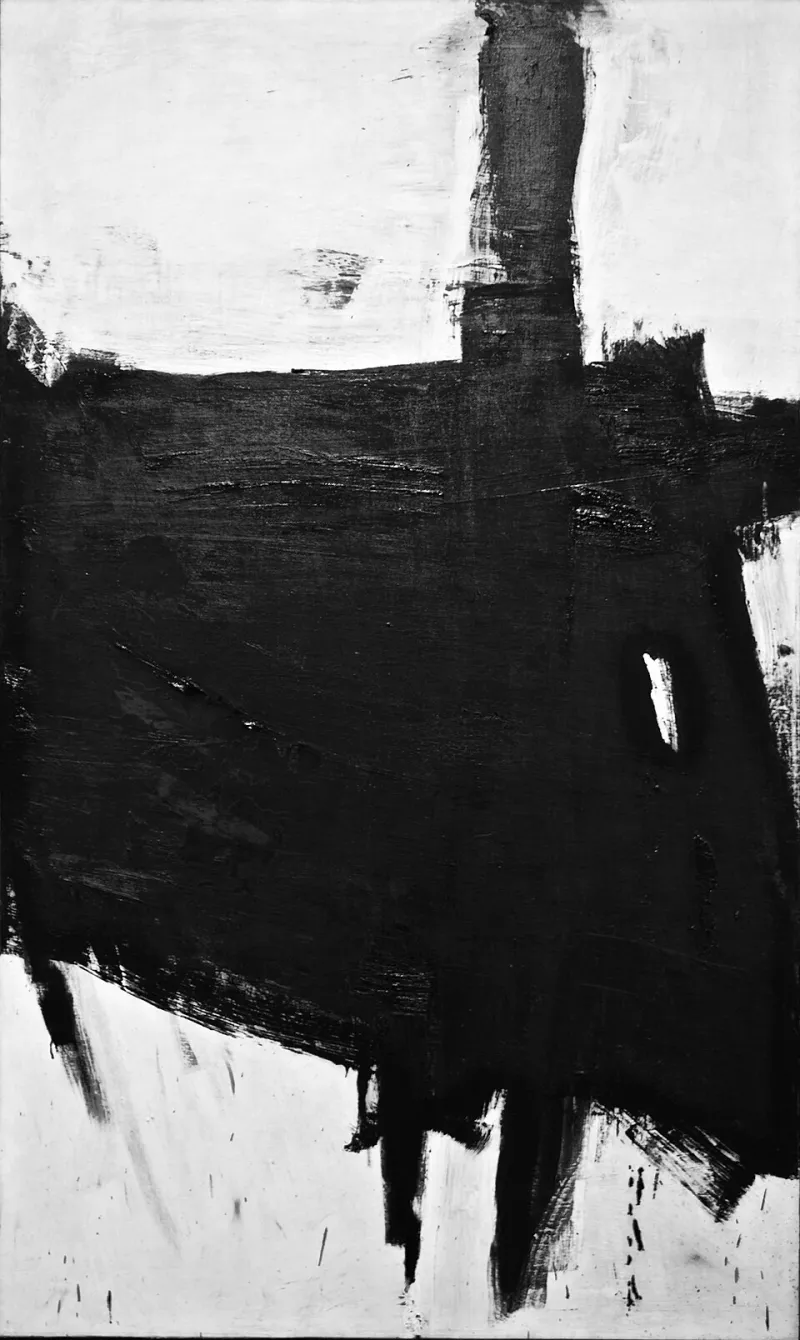
Photo: Pedro Ribeiro Simões from Lisboa, Portugal, CC BY 2.0, via Wikimedia Commons
You wake up, grab your phone, and before your feet even hit the floor, you've already made a dozen micro-decisions. Which notification to open first. Whether to check email or Instagram. What to add to your grocery list. What to wear. What to eat. What to optimize.
By 9 a.m., you're already exhausted — and you haven't done a single meaningful thing yet.
This is the reality for most Americans right now. We live in a culture that treats every blank space as a problem to solve, every empty slot in the calendar as wasted potential, and every unanswered question as a personal failure. We fill, schedule, optimize, and maximize — and then wonder why we feel so depleted.
Japanese design philosophy has a word for the thing we're missing: yohaku.
What Is Yohaku, Exactly?
Yohaku (余白) translates loosely to "remaining white" or "leftover space" — but in practice, it means something much richer. In traditional Japanese calligraphy, ink painting, and architecture, yohaku refers to the deliberate use of empty space. Not accidental emptiness. Not unfinished work. Intentional blank space, placed with purpose.
Think of a single brushstroke on a wide expanse of white paper. The stroke matters, sure — but so does everything around it. The emptiness isn't absence. It's presence in a different form.
In Japanese aesthetics, yohaku is what gives a composition room to breathe. It lets the eye rest, the mind wander, and the meaning deepen. Remove the blank space, and suddenly everything feels cluttered and anxious — even if each individual element is beautiful on its own.
Sound familiar?
The American Problem with Empty Space
We're culturally wired to distrust emptiness. An open afternoon feels like a missed opportunity. A quiet room makes us reach for a podcast. A blank line in a planner triggers guilt. We've been taught, explicitly or not, that more is better — more productivity, more content, more choices, more connection.
But researchers have a name for what happens when choices pile up: decision fatigue. The more decisions you make, the worse the quality of those decisions becomes over time. It's not a personality flaw. It's neuroscience. Your brain has a finite amount of decision-making energy per day, and when that's gone, you either freeze up or start making impulsive, low-quality choices.
The solution most productivity culture offers? Better systems. Smarter apps. More optimized routines. Which, ironically, creates more decisions to manage.
Yohaku offers a genuinely different answer: make fewer things. Leave some things undefined. Stop trying to fill every gap.
Yohaku in Your Digital Life
One of the most immediate places to apply yohaku thinking is your phone — specifically, your home screen.
Most of us have apps stacked wall to wall, notifications competing for attention, and social feeds that never actually end. Every swipe presents a new decision: engage or scroll? Reply or ignore? Save or delete?
A yohaku-inspired digital approach means leaving deliberate gaps. Maybe your home screen has three apps and a lot of wallpaper. Maybe you have one hour a day with no notifications at all — not because you're doing a "digital detox challenge," but because that empty hour is doing real work. It's the space where your brain actually processes the day, surfaces what matters, and lets creativity move.
You're not avoiding input. You're making room for output.
Leaving Your Schedule Intentionally Incomplete
Here's a practice that feels almost radical in American productivity culture: block time in your calendar for nothing. Not "admin." Not "catch-up." Nothing. A blank slot that you protect like a meeting with your most important client.
Japanese aesthetics would call this space ma — a related concept about the meaningful pause between things. But yohaku takes it further by suggesting that the blankness itself is the point, not just a transition between two full things.
When you stop filling every hour, something interesting happens: the hours you do fill become sharper. You start saying no to things that don't actually matter. Your priorities clarify not because you thought harder about them, but because you gave them room to rise to the surface naturally.
Decision fatigue often isn't about having too many choices — it's about having too little recovery space between them.
The Relationship Version of Yohaku
This concept doesn't stop at your to-do list. Yohaku shows up in how we relate to other people, too.
American communication tends to favor full transparency, constant availability, and filling every silence with words. But some of the most meaningful connections — the ones that actually last — have a certain quality of restraint. Not every thought needs to be texted immediately. Not every conflict needs to be resolved in real time. Not every relationship needs to be defined with a label.
Leaving a little undefined space in a relationship isn't emotional avoidance. Sometimes it's respect — for the other person's inner world, and for the natural pace at which real trust develops. Yohaku in relationships means resisting the urge to over-explain, over-plan, and over-schedule quality time until it stops feeling like quality at all.
Embracing Ambiguity as a Feature, Not a Bug
Maybe the deepest thing yohaku teaches is this: ambiguity is not a problem to solve. It's a space to inhabit.
We spend enormous energy trying to nail down answers, finalize plans, and eliminate uncertainty — as if life were a multiple-choice test with one correct option. But many of the best outcomes in life emerge from undefined spaces. Careers that pivot unexpectedly. Friendships that bloom slowly. Creative ideas that only surface when you stop forcing them.
Perfectionism, in many ways, is just a fear of blank space. If you can fill every corner with the right answer, the right choice, the right plan, then nothing can go wrong — right? But that kind of fullness is suffocating. It leaves no room for surprise, for growth, or for the kind of clarity that only arrives in quiet.
Yohaku says: let some things stay open. Not forever, not out of avoidance — but as a conscious choice to trust the space.
How to Start
You don't need to overhaul your life to experiment with yohaku. Start small:
- Clear one surface in your home and leave it empty for a week. Notice how it feels.
- Cancel one recurring commitment that's been draining you, and don't immediately replace it.
- Leave one question unanswered today — not because you're avoiding it, but to see what clarity shows up on its own.
- Put your phone face-down for one meal and let the silence be the thing you're doing.
The goal isn't minimalism for its own sake. It's creating conditions where your actual priorities — the things that genuinely matter to you — have enough room to be seen.
Because sometimes the most powerful thing you can do isn't add something new. It's make space for what's already there.
At Lyn JP, we believe the best of Japanese culture isn't just beautiful to look at — it's useful to live with. Yohaku is one of those ideas that sounds simple until you try it, and then quietly changes everything.