Forget Hygge: The Japanese Concept of Nukumori Is the Cozy Upgrade Your Life Has Been Missing
A few years back, hygge was everywhere. The Danish concept of cozy togetherness showed up on every lifestyle blog, in every Target seasonal display, and in approximately one million Instagram captions featuring steaming mugs and knit throws. And honestly? It was charming. It scratched an itch a lot of us didn't know we had.
But here's the thing — for many people, the hygge glow faded almost as quickly as a scented candle. The aesthetic was easy enough to recreate, but the feeling? That deep, soul-settling sense of warmth and safety? That was harder to hold onto.
Enter nukumori (温もり) — a Japanese concept that translates roughly to "warmth," but carries a weight that a single English word can barely contain. If hygge is the cozy living room you curate for a weekend, nukumori is the warmth that lives in the walls year-round.
So What Exactly Is Nukumori?
At its most literal, nukumori refers to physical warmth — the kind you feel when you wrap your hands around a bowl of hot soup or step into a sunlit room on a cold morning. But in everyday Japanese life, the word stretches far beyond temperature.
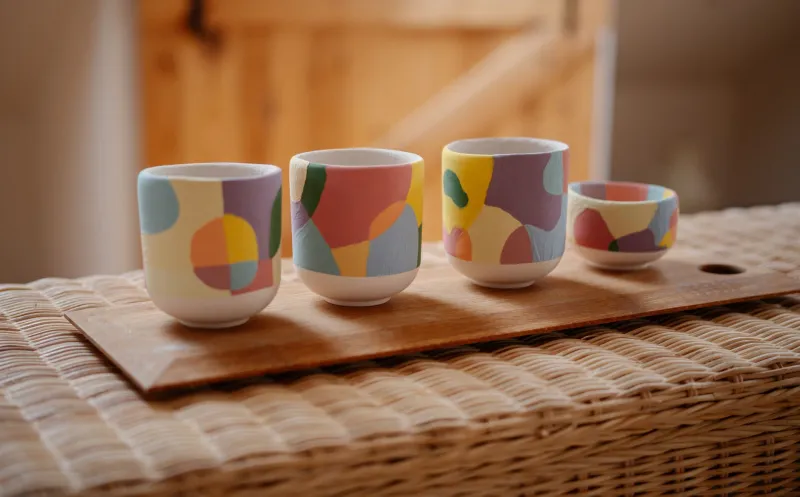
Nukumori describes the warmth that radiates from a handmade object crafted with care. It's the feeling you get from a relationship that has history and depth. It shows up in the texture of aged wood, in the gentle imperfection of handthrown pottery, in the way a grandmother folds a cloth just so. It's warmth as a quality of presence — something a space, an object, or a person either has or doesn't.
"Hygge is very much about creating the right conditions for comfort," explains one cultural researcher who studies how Japanese aesthetics translate to Western audiences. "Nukumori is more about recognizing warmth that already exists — and learning to be still enough to feel it."
That distinction matters more than it might seem at first glance.
The Aesthetic Trap We Keep Falling Into
American wellness culture has a habit of turning inward, contemplative practices into shoppable aesthetics. We did it with mindfulness (now a $4 billion industry), we did it with hygge (candles, chunky knits, branded blankets), and we've been doing it with wabi-sabi for the better part of a decade. The impulse isn't cynical — there's genuine longing behind it. People want to feel something real.
But nukumori resists that kind of commodification, almost by definition. You can't really buy it. You can create conditions for it, sure — but the warmth itself has to be earned or discovered, not purchased.
Consider the Japanese concept of te no nukumori, literally "the warmth of hands." It refers to the trace of human effort left in a handmade thing — the slight irregularity in a bowl's rim, the visible brushstroke in a piece of calligraphy, the worn groove in a wooden spoon used for twenty years. Mass production, by contrast, is cold. Efficient, yes. Warm, no.
This is why walking into a Japanese home that embraces nukumori feels different from a beautifully styled Scandinavian-inspired space. Both can be stunning. But one feels like it was lived in with intention.
Nukumori in Your Home (Without a Total Renovation)
The good news is that bringing nukumori into your living space doesn't require tearing anything down or spending a fortune. It's more about shifting your attention than your square footage.
Prioritize handmade and natural materials. Swap out a few machine-made pieces for items crafted by hand — a ceramic mug from a local potter, a wooden cutting board with visible grain, a woven textile with slight variation in the weave. These objects carry te no nukumori; they hold the energy of the person who made them.
Let things age gracefully. American design culture tends to favor the new and the pristine. Nukumori leans the other way. A cast iron skillet that's been seasoned for years, a wooden table that's collected a few nicks, a quilt that's been washed soft — these aren't flaws. They're warmth accumulating over time.
Be intentional about light. This is where hygge and nukumori actually overlap nicely. Harsh overhead lighting cools a space emotionally, even when it's technically bright. Warm-toned lamps, candlelight, and natural light through sheer curtains all contribute to a nukumori atmosphere.
Slow down your rituals. One of the most nukumori things you can do has nothing to do with decor. It's making your morning tea or coffee slowly, with attention — warming the cup first, watching the steam rise, holding the mug with both hands. That deliberate, sensory presence is nukumori in action.
Nukumori in Relationships: The Part We Skip
Here's where the concept gets really interesting — and where it diverges most sharply from the hygge conversation. Nukumori isn't just environmental. It's deeply interpersonal.
In Japanese, you might describe a person as having nukumori — meaning they radiate a kind of genuine, unhurried warmth that makes others feel at ease. It's not the same as being bubbly or extroverted. It's closer to the quality of someone who actually listens, who remembers small details, who shows up quietly and consistently.
In a culture that often equates warmth with performance — the big gesture, the enthusiastic greeting, the constant affirmation — nukumori asks for something quieter. It asks us to be present without agenda. To sit with someone without needing to fill every silence. To give care in ways that don't demand to be seen.
For Americans navigating a loneliness epidemic and a culture of surface-level connection, that reframe feels genuinely radical.
A Different Kind of Cozy
Nukumori won't show up in a Target seasonal display anytime soon, and that's kind of the point. It doesn't photograph as cleanly as a hygge flat lay. It doesn't have a tidy checklist. It asks more of you — more attention, more patience, more willingness to value depth over aesthetics.
But what it gives back is something that outlasts any trend cycle: a sense of warmth that doesn't depend on the season, the decor, or the lighting. It lives in the things you make with your hands, the relationships you tend with care, and the small daily rituals you actually show up for.
Maybe that's the cozy we were looking for all along.