Four Seasons, One Home: How the Japanese Ritual of Hanami Is Inspiring Americans to Redecorate With the Calendar
There's a particular kind of restlessness that hits around mid-February. The holiday decor is long gone, the candles you burned through in November are just wax stumps, and your living room looks exactly the same as it did in August. Something feels off, but you can't quite name it.
In Japan, they'd name it immediately: you've stopped paying attention to the season.
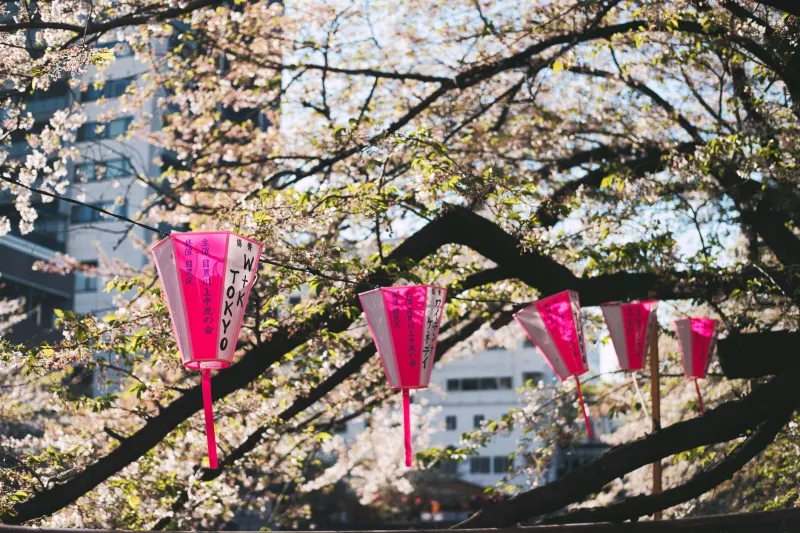
Hanami — the centuries-old practice of gathering beneath cherry blossom trees each spring — is more than a photo opportunity. It's a cultural reminder that beauty is fleeting, that transitions matter, and that human beings are meant to notice when the world shifts. And increasingly, Americans are taking that lesson indoors.
What Seasonal Living Actually Means (Hint: It's Not Just a Fall Wreath)
Let's be clear about something. Seasonal living in the Japanese tradition goes far deeper than swapping out a pumpkin doormat for a snowflake one. The concept draws from a broader philosophical current in Japanese culture — one that treats each season as its own emotional and sensory world, deserving of intentional acknowledgment.
In traditional Japanese homes, this showed up in everything: the weight of the bedding, the color of the tableware, the type of incense burned, even the art hung on the walls. Nothing was permanent. Everything was curated to honor where you were in the year.
For Americans raised on the idea that buying furniture is a once-a-decade event and redecorating means a new throw pillow from Target, this is a genuinely different way of thinking about home.
"I grew up in a house where nothing changed," says Dani, a 34-year-old graphic designer in Portland. "The same couch, the same curtains, the same smell in every room for twenty years. When I started doing micro-seasonal rotations — even just changing my bedding weight and the scent of my diffuser — it felt like my apartment was actually breathing."
The Four Rotations: A Practical Starting Point
You don't need to redecorate from scratch every three months. The hanami-inspired approach is about intentional micro-shifts — small, deliberate changes that signal to your nervous system that time is moving and you're moving with it.
Spring is the obvious entry point. Take a cue from hanami itself: bring something living into your space. A single branch of flowering quince in a ceramic vase, linen curtains swapped in for heavier winter drapes, a citrus or green tea scent profile replacing the deep amber tones of colder months. Open your windows before you think it's warm enough. Let air in.
Summer in the Japanese tradition leans into simplicity and coolness — visually and physically. Think natural textures: bamboo, rattan, unbleached cotton. Clear surfaces. Fewer objects on shelves. There's a reason Japanese summer aesthetics feel so calm: clutter generates visual heat. Strip it back.
Autumn is where most Americans already have some instinct, even if it's been co-opted by corporate pumpkin spice culture. But there's something richer here. Japanese autumn, momiji season, is about the bittersweetness of things ending beautifully. Bring in earthy tones — not just orange, but deep rust, aged gold, forest green. Layer textiles. Add weight back to your space slowly, like putting on a familiar coat.
Winter is not about holiday maximalism. It's about warmth as a philosophy. Thick throws, low lighting, heavier ceramic mugs on the counter, a scent profile that evokes wood smoke or cedar. Think of your home as a place of deliberate shelter, not just a backdrop for December parties.
Why This Is Becoming a Counterculture Move
Here's where it gets interesting. The hanami-inspired seasonal living movement in the US isn't really about aesthetics at all — it's a quiet pushback against the relentless flatness of modern consumer culture.
Algorithm-driven shopping means we're constantly being served "new" products divorced from any natural rhythm. Fast furniture brands want you to think of your home as a static backdrop. Year-round air conditioning means you can genuinely forget what month it is inside your apartment. The result? A creeping sense of temporal disorientation that a lot of people can't quite explain.
Psychologists have a name for what seasonal transitions provide: temporal landmarks. Research suggests that marking the passage of time through deliberate rituals improves mood, motivation, and even our sense of identity. When we blur all four seasons into one undifferentiated beige year, we lose something neurologically real.
"There's growing evidence that our internal sense of time is deeply tied to environmental cues," notes research in environmental psychology. When those cues disappear — when your bedroom looks the same in February as in September — your brain has a harder time feeling like time is actually moving. Which, if you've spent any period of your life feeling stuck, might sound uncomfortably familiar.
Starting Small Without Starting Over
The most common pushback to seasonal rotation is practical: I don't have storage space, I don't have the budget, I don't have the time. Fair. But the hanami philosophy doesn't ask for a complete overhaul — it asks for attention.
Start with scent. It's the fastest way to signal a seasonal shift to your brain, and a quality candle or essential oil blend costs less than a dinner out. Move on to textiles: a heavier linen duvet cover for winter, a lighter cotton one for summer. Neither has to be expensive. Then look at your surfaces — what's on your coffee table, your kitchen counter, your bathroom shelf? Rotate one or two objects with the season. Put the rest in a box.
The point isn't to spend more. It's to spend differently — and more consciously — across time.
Marcus, a 29-year-old teacher in Austin, started his seasonal rotation practice after burning out hard during the pandemic, when every day felt indistinguishable from the last. "I started just buying one bunch of flowers when the season changed and putting them somewhere I'd see them every morning. It sounds so small. But it genuinely helped me feel like time was moving again."
The Deeper Invitation
Hanami, at its core, is a practice of presence. The Japanese don't gather under the cherry blossoms because the blossoms will last — they gather because they won't. The beauty is inseparable from the impermanence.
When you bring that sensibility into your home, you're not just redecorating. You're practicing a kind of attentiveness that modern life makes genuinely difficult. You're saying: this moment in the year is different from the last one, and I want to notice it.
Your home can do that for you, if you let it. Four times a year, let it change. Let it breathe. Let it remind you that you're not standing still — you're moving through something, and that something is worth paying attention to.